
Extending your home with a conservatory is a straightforward process – but there is one question we get asked a lot: Can you build a conservatory over a drain?
Yes, in most cases you can build a conservatory over a drain – but there are important regulations you’ll need to follow before work begins.
If you’ve discovered a drain, sewer or manhole in the area where you’re planning to build, don’t panic. It’s a common situation and there are well-established solutions available.
Many homeowners find themselves in exactly this position. You’ve chosen the perfect spot for your conservatory and started getting excited about the extra space – then a drainage survey reveals a pipe or inspection chamber right where the foundations need to go.
It can feel like a setback but, in reality, it rarely means the end of your project.
The key is understanding what type of drainage you’re dealing with and what permissions are needed.
The rules around building over a drain in the UK are there to protect both you and the drainage infrastructure and, once you know what’s required, the process is usually more straightforward than people expect.
In this guide, we’ll cover the current building over a drain regulations in the UK, explain what a Build Over Agreement is, walk you through the steps to take before building and outline the options available if a drain is in the way of your conservatory plans.
The short answer
Yes, you can build a conservatory over a drain in many cases.
However, if the drain is a public sewer or lateral drain, you will usually need approval from your local water company before construction can begin. This is typically granted through a Build Over Agreement.
If the drain is private and serves only your property, the requirements are less restrictive, though building control approval from your local council may still be needed.
The most important thing you can do is check early. Identifying drains at the design stage – rather than once building has started – can save significant time, cost and stress.
What are the regulations around building over drains?
Building over a drain regulations in the UK are set out in Approved Document H of the Building Regulations. These regulations are designed to ensure that construction work does not damage underground drainage or restrict access for future maintenance.
The regulations apply to any building work – including conservatories – that is planned over or near a drain, sewer or inspection chamber. The specific requirements depend on whether the drainage is private or public.
Public vs private drains
Understanding the distinction between private drains and public sewers is essential, because different rules apply to each:
- Private drains serve only your property and are usually your responsibility to maintain.
- Lateral drains serve your property but run outside your boundary – these became the responsibility of water companies in 2011.
- Public sewers serve more than one property and are maintained by the local water company.
If your conservatory will be built over or close to a public sewer or lateral drain, you will need approval from your local water company before work can begin.
Build Over Agreements
A Build Over Agreement is formal permission from the water company that allows construction over or near a public sewer.
You can find detailed guidance on the process from your local provider – for example, Thames Water’s guide to building over sewers explains the requirements clearly.
The agreement is designed to protect both the drainage network and your property. It ensures:
- The sewer remains structurally protected during and after construction.
- The water company can still access the sewer for inspection and maintenance.
- Foundations will not damage underground pipework.
- Future maintenance can still be carried out if necessary.
Most Build Over Agreements cost between £100 and £500 and take around two to four weeks for approval.
You should obtain approval before construction starts, as retrospective applications may not be approved if the sewer has not been properly protected during construction.
Water company approval
As a general rule, you should contact your water company if you plan to build within three metres of a public sewer.
They will assess whether the proposed foundations could affect the pipe or restrict future maintenance access. If you’re unsure which company manages your local sewerage, you can use the Water UK postcode checker to find out.
Do you need a Build Over Agreement for every conservatory?
In short, it depends.
If the drain serves only your property and remains entirely within your boundary, a Build Over Agreement may not be required. However, building control approval may still be needed for the drainage arrangements and foundation design.
If the pipe serves neighbouring properties or is classed as a public sewer, approval from the water company is likely to be required.
When in doubt, always contact your local sewerage provider before work begins.
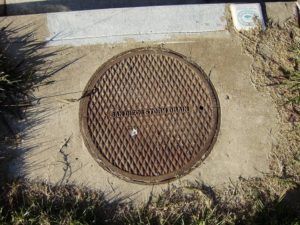
Can you build a conservatory over a manhole?
This is one of the most common questions homeowners ask – and the answer depends on your specific situation.
In most cases, water companies require access to manholes to remain available for inspection and maintenance.
If an existing manhole sits within the proposed conservatory footprint, it may need to be repositioned outside the structure.
Current guidance is generally stricter on internal manholes than it has been in the past, so it’s important to check with your local water company for the latest advice.
However, there are solutions available. A recessed conservatory drain cover or sealed access point can sometimes be used to maintain access without relocating the manhole entirely.
With ConservatoryLand’s patented ConservaBase system, a built-in removable access panel can span the manhole, keeping it accessible if and when needed. This can be a simpler and more cost-effective option than relocating the manhole.
What are your options if you have a drain in the way?
A drain running beneath the proposed footprint of a conservatory does not necessarily mean the project cannot go ahead. Depending on the circumstances, several solutions may be available:
Bridge foundations
Engineers can sometimes design foundations that span over the sewer without placing pressure directly onto the pipe.
ConservatoryLand’s patented ConservaBase system is particularly well suited to this – because it does not require deep foundations, there is less risk of impacting drains or sewers beneath the build area.
Relocating the drain
If the sewer conflicts with the conservatory layout, it may be possible to reroute the pipework.
You should consult your local water company first, to ensure you have permission, and budget for the cost of the work – drain relocation can be expensive but it may be the most practical solution in some cases.
Using a recessed conservatory drain cover
Where a manhole or inspection chamber falls within the conservatory footprint, a recessed or sealed drain cover can be installed to maintain access.
This allows the space above to be used as part of the conservatory floor while still enabling the water company to access the drain when needed.
Adjusting your conservatory design
In some cases, the simplest solution could be to adjust the size, shape or position of the conservatory to avoid the drain entirely.
With a wide range of conservatory styles available, it’s often possible to find a design that works around existing drainage without compromising on the space you need.
Steps to take before building your conservatory
If you think there may be a drain in the way of your planned conservatory, here are the key steps to follow. Taking these steps early can help avoid costly delays and ensure your project complies with current building regulations for drains and sewers:
1) Commission a drainage survey: A professional drainage survey or sewer map will confirm exactly where pipes, manholes and inspection chambers are located on your property. This is essential before finalising your conservatory design.
2) Identify the type of drainage: Determine whether the drain is private (serving only your property) or public (serving multiple properties and maintained by the water company). This will determine what permissions you need.
3) Contact your local water company: If you plan to build within three metres of a public sewer, contact your water company to discuss your plans. They will advise whether a Build Over Agreement is required.
4) Apply for a Build Over Agreement: If required, submit your application to the water company along with your proposed foundation plans. Allow two to four weeks for approval.
5) Consider if building control approval is needed: Even if a Build Over Agreement is not required, building control approval from your local authority may still be needed for your drainage arrangements and foundation design.
6) Check planning permission requirements: Remember that planning permission for a conservatory and Build Over Agreements are separate requirements. Receiving planning permission does not automatically grant permission to build over a public sewer.
What happens if you build a conservatory over a drain without permission?
Building over a public sewer without checking the guidance or obtaining the required approvals can cause problems further down the line – particularly when selling your property.
Other issues include requests for retrospective approval, a requirement for additional drainage surveys, possible legal costs and, in rare circumstances, enforcement action leading to fines. If the water company needs access to the sewer and your conservatory is obstructing it, they have the authority to remove the structure.
Obtaining the correct permissions at the planning stage is usually far simpler and less expensive than resolving issues after construction has been completed.
Frequently asked questions
Can I build a conservatory over a private drain?
Usually yes, although Building Control may still need to approve the drainage arrangements and foundation design.
Can I build a conservatory over a public sewer?
It’s likely you will need approval from your local water company through a Build Over Agreement.
How do I find out if there is a sewer under my garden?
You can contact your local water company, review your property drainage plans or arrange a professional drainage survey. Use the Water UK postcode checker to find your local provider.
How much does a Build Over Agreement cost?
Most Build Over Agreements cost between £100 and £500, depending on the water company and the complexity of your project. The process typically takes two to four weeks.
Do I need planning permission to build over a sewer?
Planning permission and Build Over Agreements are separate requirements. Receiving planning permission does not automatically grant permission to build over a public sewer. Read our blog on planning permission for conservatories for more details.
How ConservatoryLand can help

A drain or sewer beneath your garden doesn’t have to stop you from getting the conservatory you want. At ConservatoryLand, we’ve helped many customers navigate exactly this situation – and, in the vast majority of cases, a solution is found.
Our patented ConservaBase system is particularly well suited to properties with drainage challenges. Because it’s an all-in-one base, floor and wall system that doesn’t require deep foundations, it’s less likely to impact drains or sewers beneath the build area.
Where a manhole falls within the footprint, a built-in removable access panel keeps it accessible for future maintenance.
If you’re unsure whether a drain could affect your conservatory plans, our team can help. Contact our team today on 0800 952 8000 for friendly, expert advice – we’ll help you understand your options and find the right solution for your home.