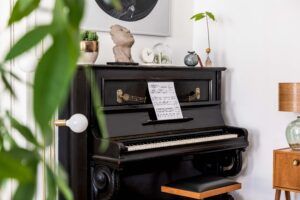

Creating a dedicated music room or studio in your home can completely transform your audio experience. Whether it’s listening to your favourite vinyl, setting up the perfect practice spot or a place for producing your own tunes, a well-designed music room boosts creativity, helps with focus and increases overall enjoyment, for you and those around you.
Designing a music room or studio in your home has a range of benefits. You get space to create, build a sanctuary to truly appreciate your tunes or have a dedicated area to practice your chosen musical instrument. An additional benefit is that the people who share your home, but not necessarily your taste or passion for music, are not disturbed.
By considering how you will use the room, the type of equipment you’ll be using and the kind of ambience you want to achieve, you can create a bespoke music space which has everything to hand.
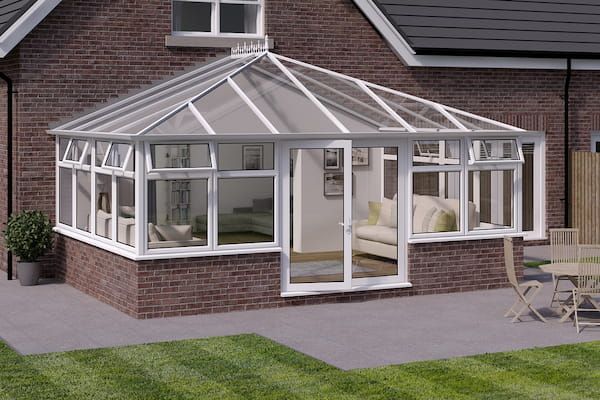
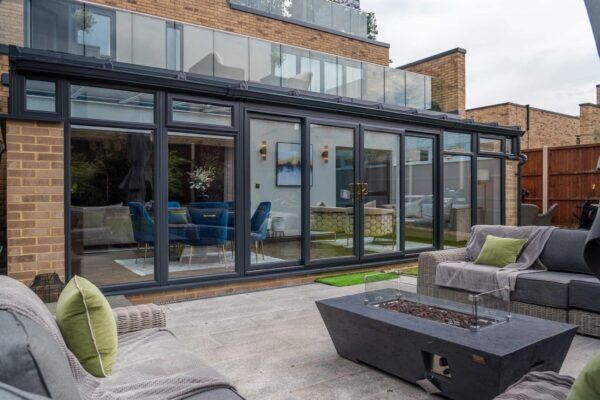
There are lots of great spaces in the home to create a music room or studio but using a conservatory is the perfect choice. Not only does it provide a tranquil place for listening to music – or even playing it yourself – it also means you don’t have to clutter the rest of your home with the musical equipment you will need.
So, if you are looking to create your own music room or studio in your house, here are some things to consider.
Choosing the right space for your home music room or studio
When considering which space is right for your home music room or studio, there are multiple factors to think about.
What space do you have available in your home? Will it need to be shared with others? What vibe do you want to create? Does equipment need to always be out, like a drum kit or piano, or can it be stored away, such as records, laptops or smaller instruments? How close are the neighbours? Are there existing rooms that could be converted?
We’ve outlined some common options below:
Creating a purpose-built conservatory/garden room studio
A cost-effective, purpose-built and easy to install solution such as a conservatory means you can to design your music room or home studio from scratch and include all the elements you want, without compromise. You can choose layout, insulation, location of power sockets and cabling, specify storage and acoustic treatments, without having to make do in an existing space. With no planning permission or disruptive groundworks required, a conservatory quickly makes the most of underutilised garden space and helps you create a music room for all seasons.
Repurposing spare rooms or lofts
Spare rooms and lofts are often used for makeshift music rooms and are a good option where space is limited. However, there is often other furniture in situ, such as beds and wardrobes for guests, so are likely to have less room for permanent positioning of say a piano. Lofts, while good for separating noise from other parts of the home, require wide access to get large instruments into place and are less practical or convenient for carrying equipment up and down ladders.
Garage or basement conversions
Garage and basements are great options for music rooms or studios at home. Often separate from the main part of the house, which helps with sound travelling, they can provide space for larger instruments and equipment to be set up and left in position. They also have acoustic benefits both keeping noise in and external sounds out.
Building an extension
Another alternative is to build a full home extension. Although a less budget friendly option, it does give you complete freedom to create the music room or home studio of your dreams. There are also multiple options for materials, finishes, soundproofing and equipment storage. However, planning permission is required and building work can be intrusive, messy and take time.
Practical design considerations for creating a music room at home
Once you’ve found the right space for your new music room or home studio, it’s time to get into the design. From soundproofing to inspiring creativity, it is important to consider how you will use the space and how you want it to feel.
Soundproofing and noise control
Soundproofing stops noise getting in or out of a space. Acoustic insulation in walls, acoustic underlay beneath flooring and double or secondary glazing can create a soundproofed space. This can all be incorporated at design stage if you are building a conservatory or an extension. For adapting existing rooms, additional noise control solutions could include double plasterboard with acoustic sealant, solid core doors and heavy lined curtains.
Acoustics
Different from soundproofing, acoustic treatments enhance how sound behaves within a space and can improve the overall quality, clarity and depth. Acoustic panels can reduce echo. Bass traps in corners help when using amps or recording. Diffusers can prevent flat, dead sounds. Also, speaker placement, wall mounted absorbers behind speakers and soft furnishings can soften reflections, particularly in listening rooms. Modern conservatories are often great spaces for good acoustics, especially when they have been designed to reduce noise infiltration.
Flooring choices
To support soundproofing, acoustic treatment and overall aesthetics, flooring plays a big part in your home music room design. Engineered wood provides a good balance of style with practicality, as does acoustic vinyl with underlay. Carpets or large rugs are also excellent for absorbing sound.
Storage for instruments and equipment
How you are going use your home music room or studio will also shape what kit you need. However, a few key things could keep the space clutter free, inspiring and practical. Wall mounted hangers are good for guitars. Built in shelving is practical for amps and pedals, while also ideal for displaying and storing records. Bespoke bench storage provides added seating, while offering discreet and useful places for additional equipment, sheet music, books or instruments. Multi-functional furniture which can be used for storage, such as ottoman footstools, storage benches, or window seats, work particularly well in conservatories.
Decorating a creative and inspiring space for music
How you want to use the room also informs layout and decor.
H3: Colour schemes and wall treatments
Colours that create an inspiring environment such as beige, grey or soft blues and greens, are good choices. These give a calming feel and make a suitable backdrop to display instruments. With a neutral base you can introduce bold accent colours, feature walls and artwork to add your own creative stamp. Moveable acoustic wall panels can also add a practical yet stylish finish.
Lighting
Lighting sets the mood for your music room and ensures that is it a practical space for producing, listening or practicing. Adjustable LED task lighting provides flexibility and clarity for reading music or screens, whereas warm, dimmable lights create ambience. Spot or accent lighting can showcase instruments on display, creating a feature of them when not in use. Also, natural daylight (with acoustic blinds) can inspire creativity.
Furniture and layout
If you are creating a dedicated area to practice a musical instrument, you’ll need plenty of clear space for movement and a good posture-friendly chair with good lighting to be able to read music.
If you’re setting up a home recording studio, a symmetrically positioned desk and ear height speakers in a triangular configuration are important. So is having equipment within arm’s reach and a solution for managing cables.
If your music room is for listening to music, you might want a more relaxing vibe with comfortable, supportive seating, perfectly positioned speakers, acoustic panelling and dimmer lighting to create a cosy ambience.
Personal touches
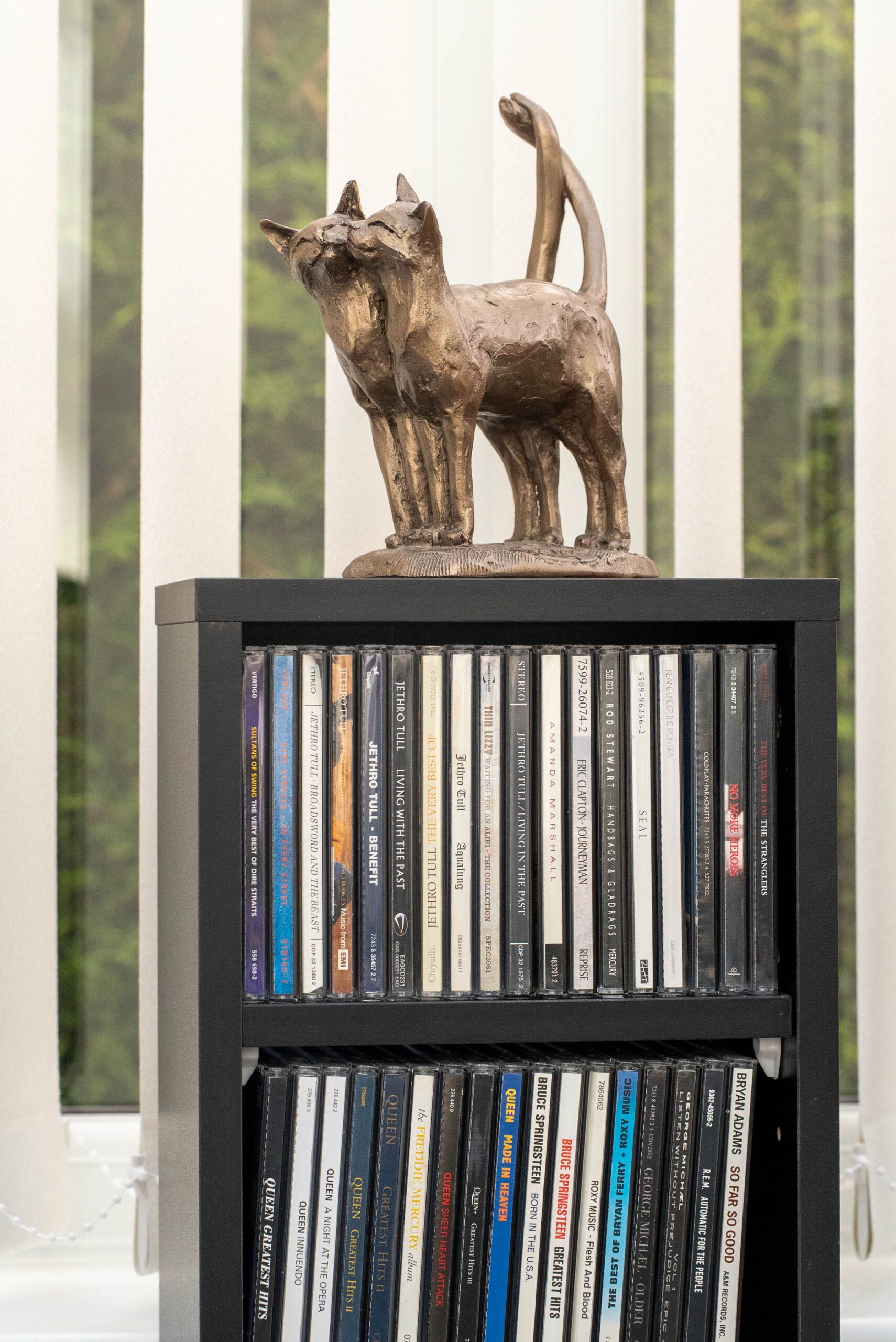
Music is a very personal thing and your music room or home studio should feel personal too. Adding framed photos, creating a gig ticket pin board, displaying instruments or your favourite album covers are all great ways to add your own signature style.
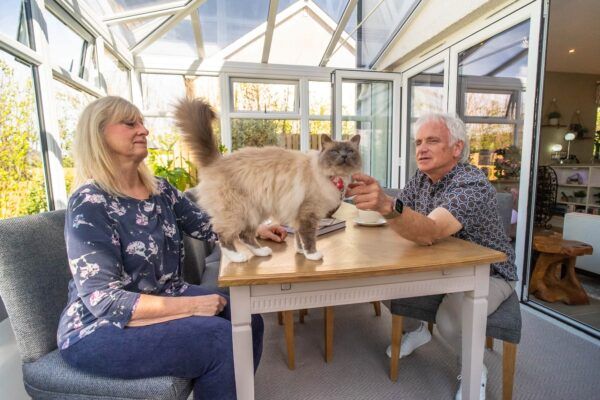
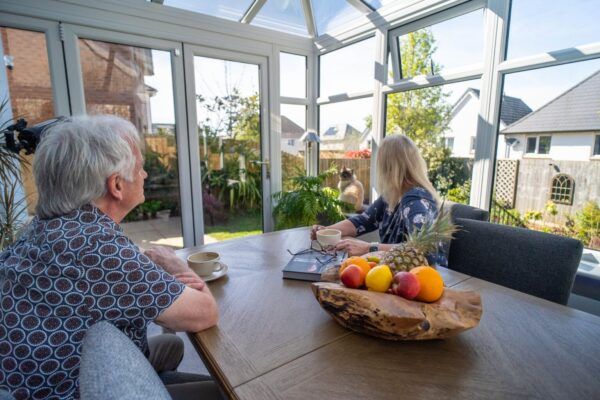
One of our recent Customers of the Month used a conservatory to create the perfect space to enjoy music with his wife, you can read his story here.
Why a conservatory makes an ideal music room
A conservatory is a cost-effective, hassle-free way to create a bespoke music room or home studio that is dedicated to playing, practicing, producing or listening to music.
Rather than having to navigate the constraints that come with converting an existing room or going through the time and expense involved in a full extension, a conservatory means that you can integrate insulation and soundproofing into the initialdesign. Double glazing, acoustic flooring, electrical layouts and power sockets can be factored in from the start.
Ready to design the perfect music room or studio for your home? Get an instant quote today: https://www.conservatoryland.com/quote-engine/#/