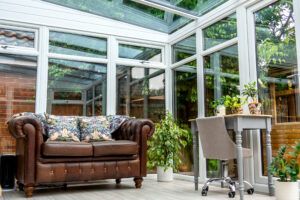

Working from home has become a permanent part of life for many people – whether full-time or as part of a hybrid working arrangement.
While spare bedrooms and dining tables have become makeshift workspaces, more homeowners are discovering the benefits of transforming their conservatory into a dedicated office.
A conservatory office provides something many indoor workspaces can’t: natural light, garden views and a sense of separation from the rest of the home.
Whether you’re adapting an existing conservatory or considering adding one specifically for work, a conservatory home office can provide a comfortable, inspiring place to focus all year round.
In this guide, we’ll explore practical conservatory office ideas, tackle common concerns and explain why a conservatory could be a smarter, more affordable alternative to a garden office pod or extension.
Quick checklist: Setting up a conservatory office
Before we dive into the details, here are some essentials for creating a productive conservatory workspace:
✔ Aim to create a clear separation between work and relaxation areas;
✔ Position your desk to minimise screen glare;
✔ Invest in blinds or solar-control glazing;
✔ Ensure reliable Wi-Fi coverage;
✔ Choose ergonomic furniture suitable for all-day use;
✔ Add storage to keep the space organized;
✔ Incorporate plants for air purification and soft furnishings for comfort;
✔ Consider heating and cooling solutions for year-round use
Why a conservatory makes a great home office
Natural light and productivity
One of the biggest advantages of working from home in a conservatory is the abundance of daylight.
Studies consistently show that natural light can improve mood, concentration and overall wellbeing.
Unlike many home offices tucked away in spare rooms, a conservatory creates a bright, uplifting environment that can help you stay motivated throughout the working day.
Garden views can also provide a welcome mental break between meetings and tasks.
Separation from the main living space
When working from home, maintaining boundaries between work and personal life can be challenging.
A conservatory office provides a dedicated workspace without requiring major alterations to your home.
Physically stepping into a separate area each morning can help establish a healthier work routine and improve focus.
A cost-effective alternative to a garden room office
Many homeowners considering a garden room office are attracted by the idea of a separate workspace away from the main house.
While garden offices can be effective, they often involve significant costs and disruptive works for foundations, construction, insulation and electrics.
If you already have a conservatory, converting it into a home office can be considerably more affordable.
Even if you’re planning a new addition, a conservatory may offer a lower-cost solution than a traditional extension or standalone garden building.
For homeowners weighing up the options, our guide to garden rooms vs conservatories explains the key differences in more detail.
Conservatory office ideas and inspiration
Every homeowner uses their space differently, which is why there are so many possibilities when designing a conservatory home office.
The minimalist workspace
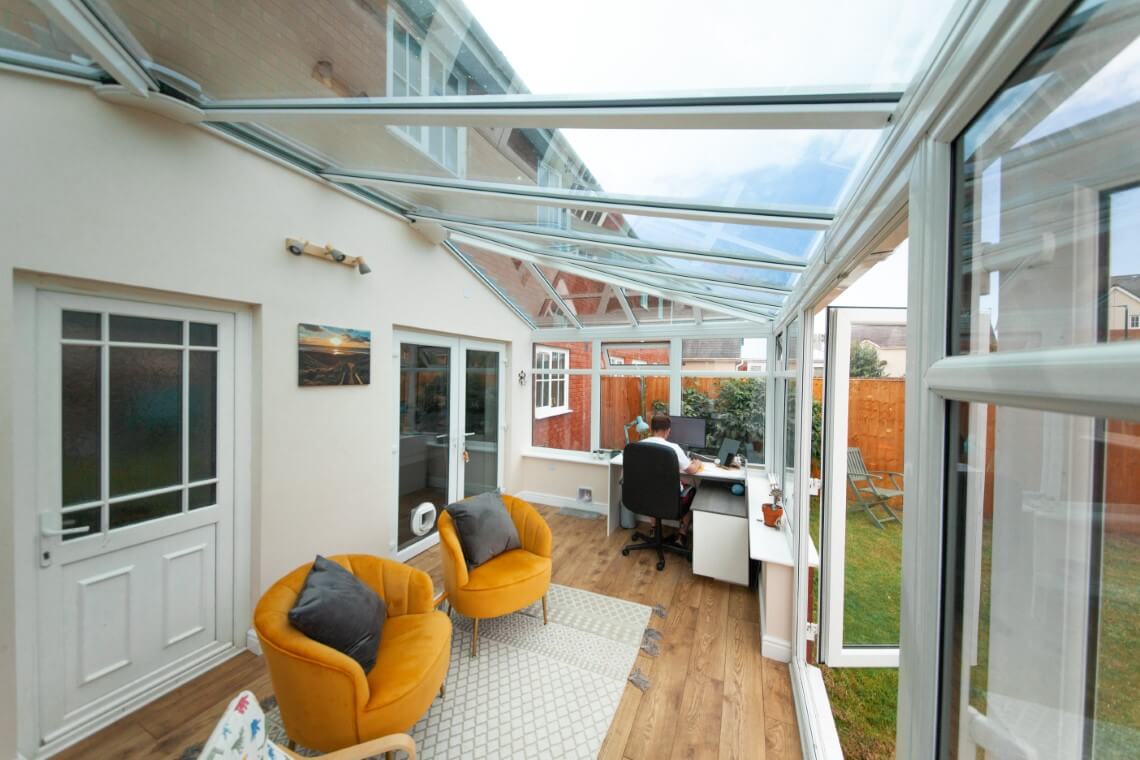
A simple desk, ergonomic chair and laptop setup can transform even a smaller conservatory into a productive, occasional working environment.
This approach works particularly well in lean-to conservatories where space may be limited. Keeping the design uncluttered helps maximise natural light and creates a calm atmosphere.
The executive home office
For those working from home full-time, a larger conservatory can accommodate a full office setup: a large desk and monitor arrangement, dedicated storage units, bookshelves, a meeting space for video calls, and printer and filing storage.
Many ConservatoryLand customers have successfully transformed their conservatories into professional workspaces. See, for example, Mr Priddy from Aberystwyth, who has a lovely desk set-up in his conservatory so he can enjoy views of his garden while working.
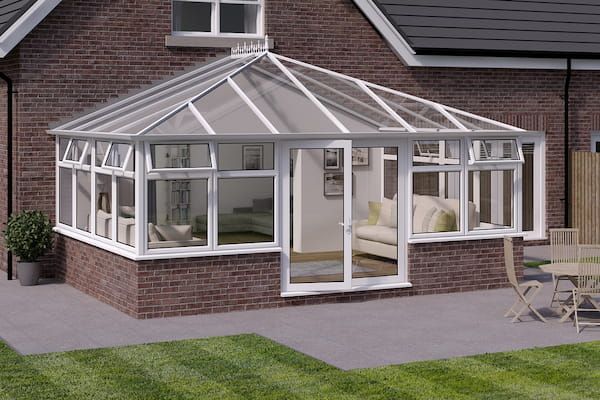
Larger Edwardian and gable conservatories are particularly popular choices for full-time home offices, thanks to their generous floor space and the way natural light fills the room throughout the day.
The shared workspace
With more couples working remotely, some homeowners are creating dual workstations within larger conservatories.
Using separate desks, storage zones and subtle room dividers allows two people to work comfortably in the same space without compromising productivity.
A hybrid office and relaxation space
Not every conservatory needs to be exclusively for work. Combining a workspace with a comfortable seating area allows the room to serve multiple purposes throughout the day.
This flexible approach is ideal for hybrid workers who only spend part of the week working from home.
For more inspiration, explore our collection of conservatory ideas and discover even more creative ways to use your conservatory.
Practical tips for your conservatory home office

One of the most common concerns about a conservatory home office is whether it can be comfortable enough for daily use.
Here’s how to address the practical considerations:
Managing temperature: staying cool in summer and warm in winter
The good news is that modern conservatories offer several effective ways to stay comfortable in warmer weather.
Solar-control roof glass helps regulate the temperature of your conservatory, while roof blinds and external shading reduce direct sunlight on the hottest days.
Ceiling fans and roof vents keep air circulating and positioning your desk away from south-facing glass can make a noticeable difference to comfort levels throughout the day.
In winter, a well-specified conservatory can be a comfortable workspace all year round. Energy-efficient glazing and insulated roofing systems retain warmth far more effectively than older conservatory design – and adding electric radiators or underfloor heating provides reliable warmth during the colder months.
Thermal blinds can also help reduce heat loss in the evenings. Modern conservatories are far more thermally efficient than many people expect, making them a practical option for year-round home working.
Reducing screen glare
Natural light is one of the biggest benefits of a conservatory office – but excessive glare can make screens difficult to read.
The simplest solution is to position your monitor perpendicular to windows rather than facing them directly. Adjustable blinds give you control over light levels throughout the day and anti-glare screen protectors are an inexpensive way to reduce reflections.
For darker winter days, a good desk lamp with diffused lighting will help maintain comfortable working conditions without relying entirely on overhead lights.
Ensuring reliable Wi-Fi and connectivity
A reliable internet connection is essential for video calls and cloud-based work. If your conservatory is at the far end of the house, your existing router may not provide adequate coverage.
A Wi-Fi mesh system is often the most effective solution, providing seamless coverage throughout the property without the signal drops that single extenders can cause.
Powerline adapters, which use your home’s electrical wiring to carry the signal, are another option and a direct ethernet connection – if practical to install – will always offer the most stable connection for video-intensive work.
Choosing the right furniture
If you’re spending several days a week working from your conservatory, investing in the right furniture is essential.
An ergonomic office chair with good lumbar support will help prevent back and neck strain over long working days. Your desk should be at the correct height for comfortable typing and an adjustable monitor stand can help position your screen at eye level.
These details might seem small – but they make a significant difference to comfort and productivity over time.
Smart storage solutions
Keeping your workspace organised helps maintain focus and makes the transition between work and home life easier at the end of the day.
Built-in cupboards and floating shelves make the most of vertical space without cluttering the floor, while low-level storage units can double as room dividers in larger conservatories.
Filing cabinets tucked beneath desks keep paperwork accessible without dominating the room.
The goal is to create a space that feels calm and professional during working hours but can be tidied away easily if the room serves other purposes at weekends.
Managing noise and distractions
Another concern for people working from home in a conservatory is noise – whether from those around you or to prevent you from disturbing others.
Noise-cancelling headphones are a good start. Other practical solutions include installing acoustic blinds or curtains, or fitting an internal door to separate the conservatory from the rest of the house.
Rugs and soft furnishings can help absorb sound, as can strategic planting around the exterior.
These additions can create a surprisingly quiet and focused working environment.
Which conservatory style works best as an office?
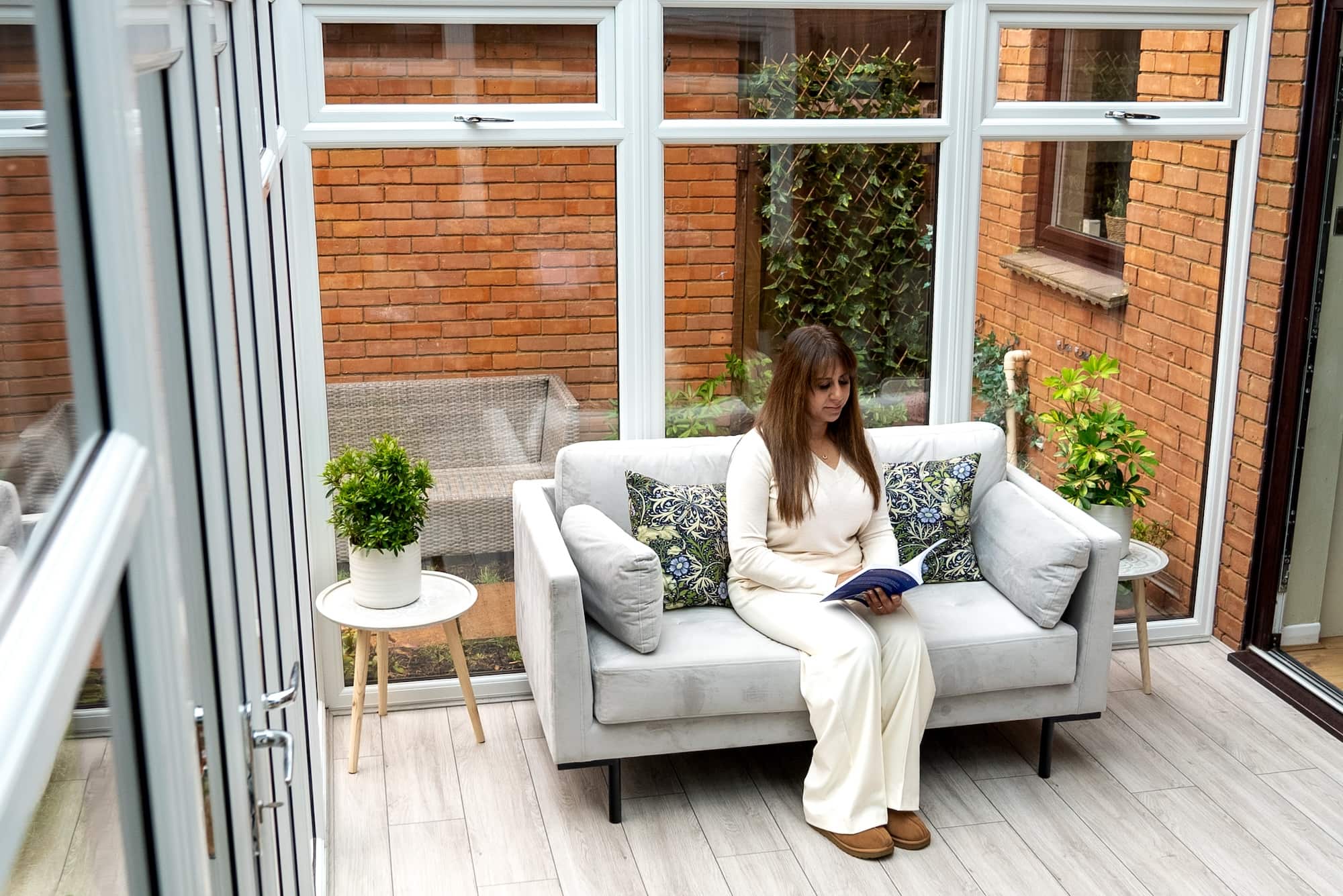
Different conservatory styles offer different advantages depending on how you plan to use the space. Here’s how the most popular options compare for home office use.
Lean-to conservatories
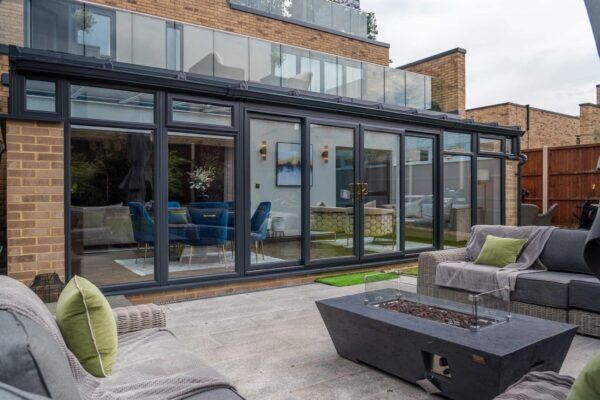
Lean-to conservatories have a clean, contemporary look that suits modern properties.
Their compact footprint makes them a smart choice for smaller gardens and the single-slope roof design keeps the interior feeling bright and open.
For a solo home office setup – a desk, chair and a few shelves – a lean-to can provide everything you need without taking over your outdoor space. The simpler structure also means they tend to be one of the more affordable options.
Edwardian conservatories
Edwardian conservatories have a square or rectangular footprint that maximises usable floor space.
This makes them ideal for larger desk setups, storage furniture and even a small meeting area for video calls.
The straight walls mean furniture sits flush against the sides, so you’re not losing space to awkward angles – a practical advantage when you need to fit in monitors, shelving and filing.
Victorian conservatories
Victorian conservatories offer character and charm with their distinctive bay-fronted design.
The curved front lets light flood in from multiple angles, creating a particularly pleasant working environment.
The angled walls can make furniture placement slightly less straightforward, so a Victorian works best when the desk is positioned centrally or against the flat rear wall, with the bay area used as a reading nook or breakout space.
Gable conservatories
Gable conservatories have a high, pitched roof that creates a real sense of space.
The extra headroom makes the interior feel airy and open – qualities that many homeowners find ideal for a professional workspace.
Ultimately, a gable design delivers that sense of solidity and presence.
Explore our full guide to conservatory styles to find the best option for your property.
Frequently asked questions
Can a conservatory be used as an office all year round?
Yes. Modern conservatories with energy-efficient glazing, heating and ventilation can provide a comfortable workspace throughout every season.
Is a conservatory office cheaper than a garden room office?
In many cases, yes. Converting an existing conservatory is often significantly less expensive than building a dedicated garden room office, while still providing a separate and productive workspace.
How do I stop my conservatory office from getting too hot?
Solar-control roof glass, ventilation and ceiling fans can all help regulate temperatures during warmer months. Positioning your desk away from direct sunlight also makes a noticeable difference.
Is a conservatory a good place for video calls?
Absolutely. The natural light can improve image quality during video calls, although positioning your desk correctly will help prevent excessive backlighting.
Ready to design your ideal conservatory home office?
Whether you’re looking for a dedicated workspace, a flexible hybrid room or a cost-effective alternative to a garden office, a conservatory can offer the perfect solution.
From increased natural light and improved work-life balance to lower costs compared with extensions and garden buildings, it’s easy to see why more homeowners are choosing a conservatory for working from home.
If you’re considering adding a conservatory to your home, or want to explore how your existing space could work as an office, we’re here to help. Explore our range of conservatory styles or use our conservatory design tool to start planning your ideal workspace.
You can also contact our team on 0800 952 8000 for friendly, expert advice – we’ll help you find the right conservatory for your home and your working life.