
If you’re thinking about adding a conservatory to your home, chances are you have a few questions before you commit.
That’s completely understandable – a conservatory is a significant investment and you want to be sure it’s the right decision.
You might be wondering how much it will cost, whether you’ll actually use it all year round, or whether conservatories have moved on from the white uPVC designs you remember from the 1990s. These are some of the most common questions we hear.
At ConservatoryLand, we’ve helped thousands of homeowners across the UK design and build conservatories that genuinely work as everyday living spaces. That experience means we’ve heard – and answered – just about every question there is.
In this guide, we’ve put together the questions that come up most often, covering everything from costs and planning permission to styles, comfort and energy efficiency.
Whether you’re at the early research stage or close to making a decision, we hope this helps you feel more confident about what a modern conservatory can offer.
And if your question isn’t covered here, our friendly team is always happy to help.
1) Aren’t conservatories old-fashioned?
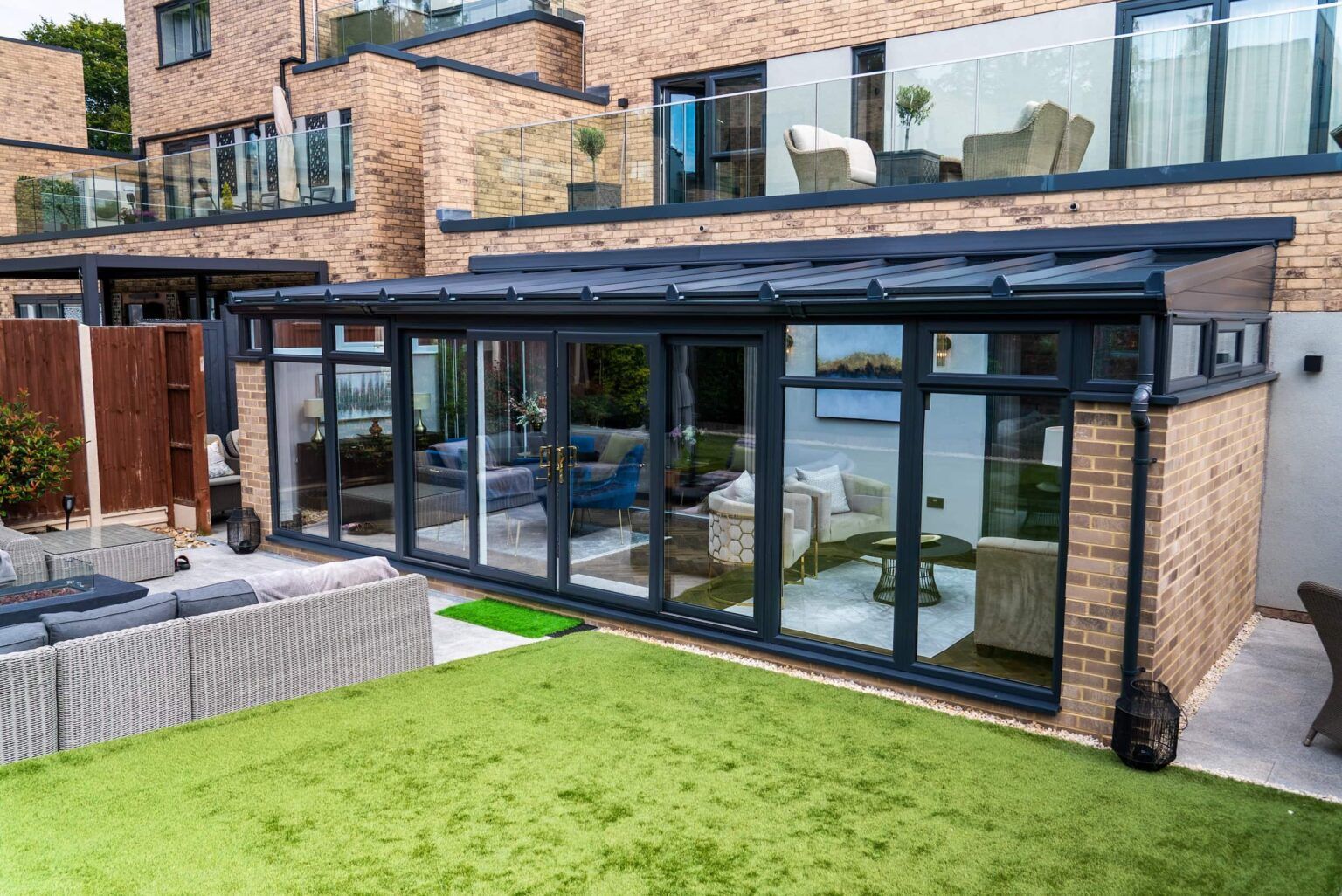
Not at all. Modern conservatories have evolved significantly and bear little resemblance to the basic designs of 20 or 30 years ago.
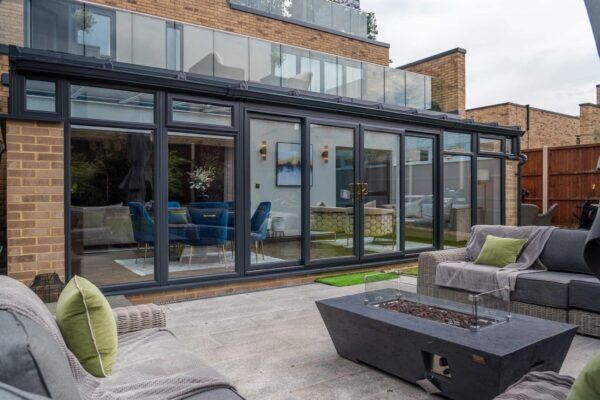
Today’s conservatories feature slimline frames, contemporary colour finishes such as anthracite grey, high-performance glazing and a choice of glazed, tiled or hybrid roof systems. Bi-fold and sliding doors can create a seamless connection between your home and garden.
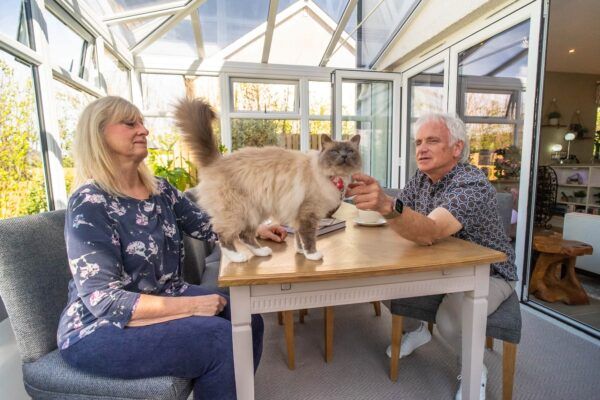
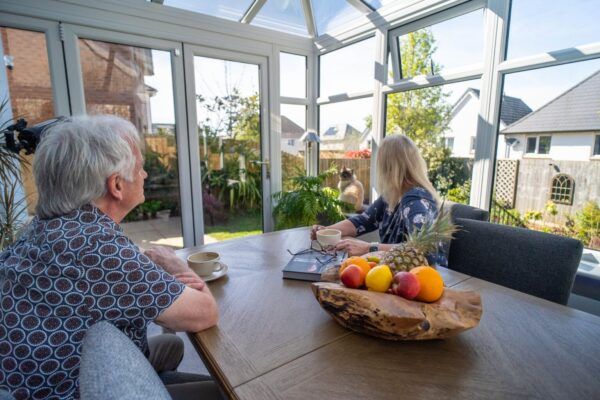
Many homeowners now use their conservatory as an everyday living space – whether that’s a kitchen-diner, home office, playroom, garden room or even as a bedroom. With the right design, a conservatory can complement any property, from period homes to new builds. Why not explore our range of conservatory styles for inspiration?
2) How much does a conservatory cost?
It depends on the size, style and specification you choose – but most conservatory projects fall somewhere between £9,000 and £25,000.
The cost of a conservatory is influenced by factors including the choice of roofing, frame material, glazing, doors and any groundwork requirements. Internal finishes and flooring will also affect the overall investment.
The best way to get a realistic figure for your project is to use our online quote builder, which gives you a personalised estimate based on your choices. We also offer flexible finance options to help spread the cost.
If you are keen to get a conservatory on a budget, be sure to read our conservatory prices 2026 guide for the best advice.
3) Are conservatories too hot in summer and too cold in winter?
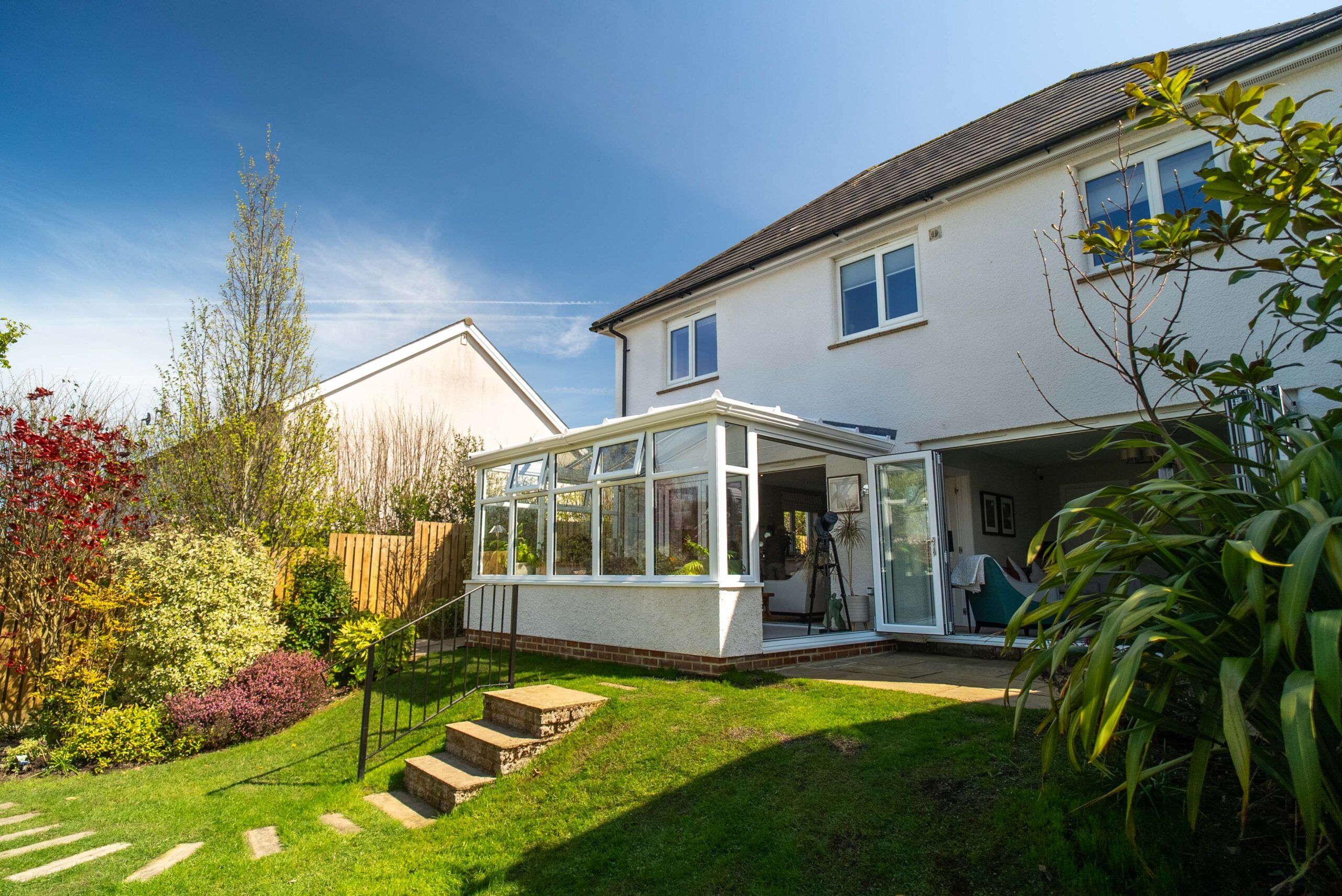
With modern materials and glazing, this is far less of an issue than it used to be.
Older conservatories with corrugated roofs or single glazing could struggle with temperature extremes – but today’s designs are built to be comfortable year-round.
A range of solutions now exist to manage both heat and cold effectively. Solar control glazing reduces heat build-up in summer, while low-emissivity glass and thermally efficient frames help retain warmth in winter.
Ventilation, opening windows and blinds all give you control over airflow and temperature.
For colder months, many homeowners add underfloor heating or electric radiators to keep the space cosy.
The key is getting the specification right from the outset, so your conservatory can act as a permanent living space throughout every season.
4) Do I need planning permission for a conservatory?
In most cases, no – conservatories typically fall under Permitted Development Rights, which means you won’t need to apply for planning permission.
However, there are conditions – whether permission is required depends on the size and height of the conservatory, its position on your property and whether your home is a listed building or located in a conservation area or other designated zone.
Previous extensions or modifications to your property can also affect your entitlement.
It’s also worth understanding that planning permission and building regulations are two separate things.
Even where planning permission isn’t needed, building regulations may still apply in certain circumstances. Read more in our guide to planning permission for conservatories.
5) Will a conservatory add value to my home?
In many cases, yes. A well-designed conservatory increases usable living space and strengthens the connection between your home and garden, both of which can make a property more attractive to buyers.
The amount of value added depends on several factors, including the quality of the build, how well the design complements the property, whether the space is comfortable year-round and local market conditions.
A conservatory that feels like a natural part of the home will generally add more appeal than one that looks like an afterthought.
Many of our customers now view a conservatory as a valuable lifestyle feature – an additional room filled with natural light that can serve as a dining area, family room or home office.
While no improvement comes with a guaranteed return, a high-quality conservatory is widely regarded as one of the more cost-effective ways to add both space and appeal to a property.
6) How long does it take to build a conservatory?
Timelines vary depending on the size and complexity of the project – but a professionally installed conservatory can typically be completed within a few weeks once preparations are in place.
That’s significantly quicker than a traditional brick-built extension.
The process generally follows a series of stages: design and quotation, site survey, manufacturing, groundworks, installation and final finishing.
Weather conditions and any planning or building regulations requirements can also affect the overall timeline.
With ConservatoryLand’s patented ConservaBase system – a steel base that removes the need for traditional dug foundations – the groundworks stage is faster and cleaner, which can reduce overall build time.
7) What styles of conservatory are available?
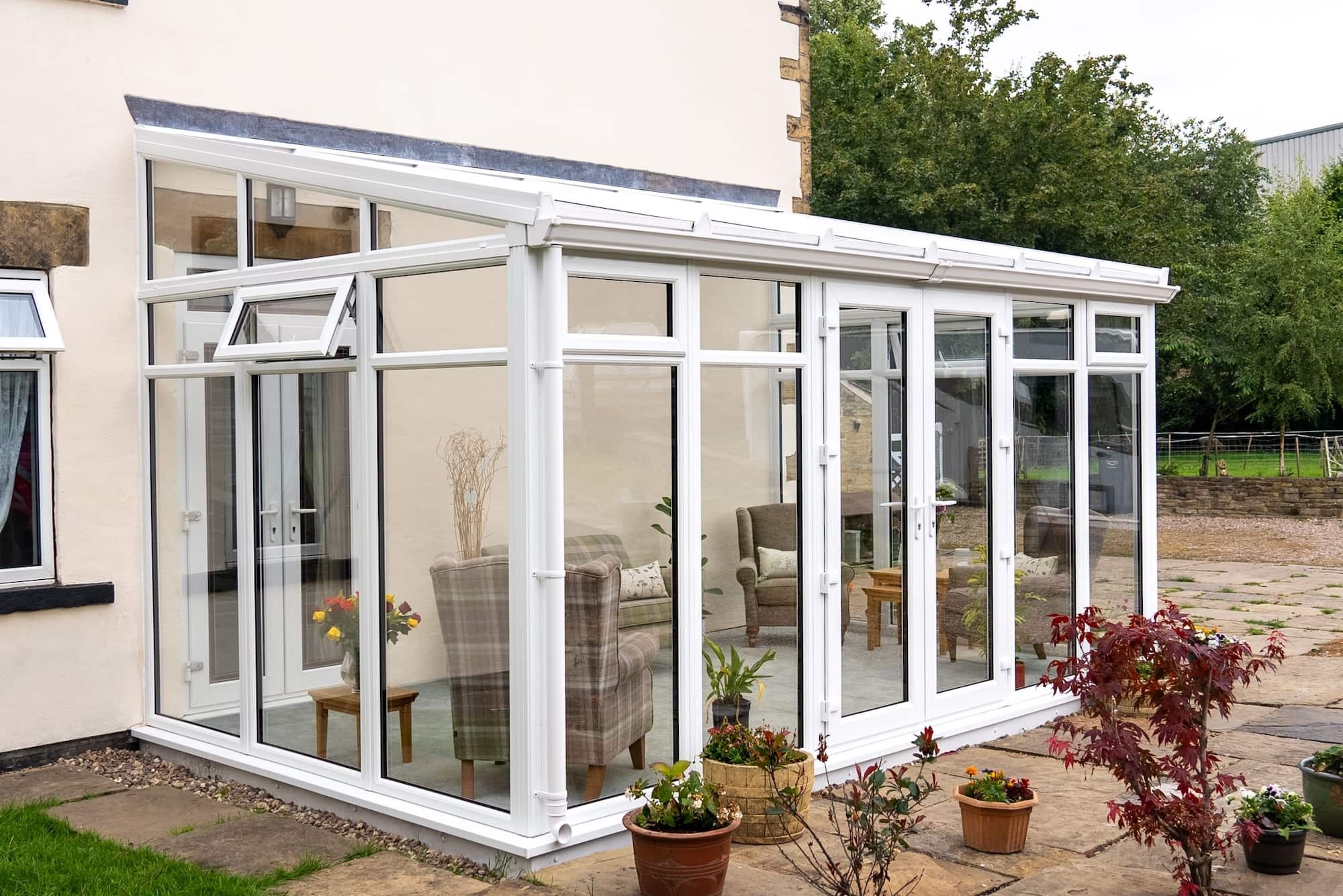
There’s a wide variety of conservatory styles to suit different properties, tastes and budgets. Here are some of the most popular options:
Victorian conservatories — elegant bays and a multi-faceted design that remain one of the UK’s most popular choices.
Edwardian conservatories — a square or rectangular footprint that maximises usable floor space.
Lean-to conservatories — a clean, contemporary option well suited to modern homes or properties with limited space.
Gable conservatories — a high, upright front elevation that creates a striking sense of height and light.
P-shaped and L-shaped conservatories — ideal for larger homes, combining multiple living areas into one spacious extension.
Other options include orangeries, bespoke designs and hipped-back variations. The right style depends on your property, the space available and how you plan to use the room.
8) Is a conservatory better than an extension?
Both have their merits – and the right choice depends on what you’re looking to achieve. For a detailed comparison, take a look at our guide to conservatories vs extensions.
A conservatory is typically the better option if you want more natural light, a stronger connection with your garden, a quicker installation or a more cost-effective way to add living space. They also tend to involve less disruption during the build.
For many families, a conservatory provides an excellent balance between cost, flexibility and everyday enjoyment.
It’s also important to remember you can design a conservatory to look like a natural extension of your home, just like a conventional extension.
9) What is the best roof for a conservatory?
There’s no single best option – the right roof depends on how you plan to use the space, how much natural light you want and your budget. ConservatoryLand offers a range of conservatory roof options to suit different needs.
Glass roofs maximise natural light and create an open, airy feel, while polycarbonate roofs offer a budget-friendly solution, reduce glare and create a space that benefits from comfortable temperatures.
If you’re replacing an existing roof, it’s worth considering the impact on planning and building regulations – particularly if moving from a glazed to a solid roof. Your choice of roof will also affect the thermal performance and overall feel of the room.
10) Can I turn my conservatory into a home office?
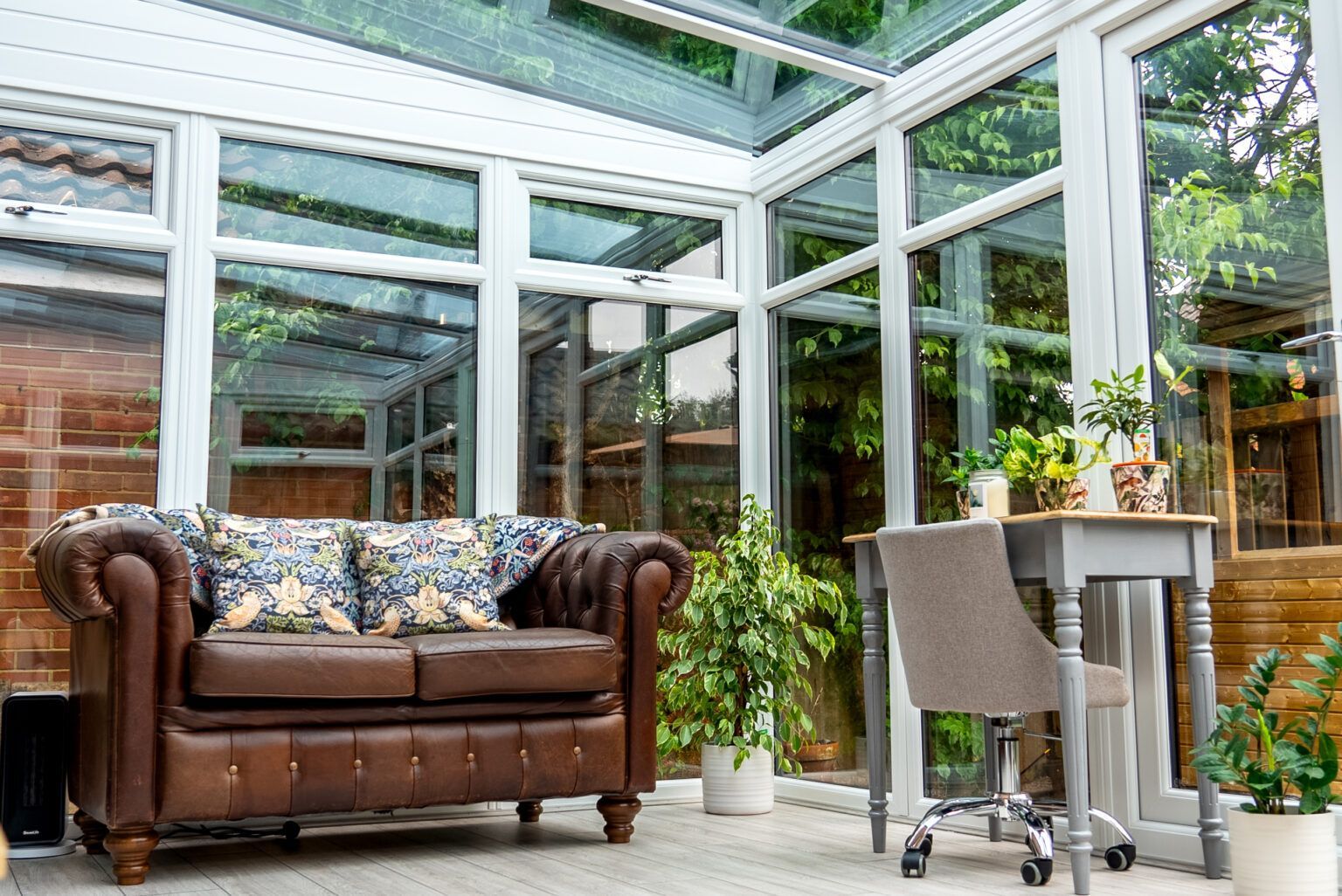
Absolutely. A conservatory can make an excellent home office, offering plenty of natural daylight, a calming garden view and separation from the main living areas of the house.
With the right specification – including good thermal performance, ventilation and glare control – it can be a comfortable and productive workspace throughout the year.
Many homeowners now choose conservatories specifically for this purpose. Explore ways to turn your conservatory into a home office for more ideas.
11) What is the difference between a conservatory and a garden room?
The main difference is that a conservatory is attached to your home, while a garden room is usually a detached structure positioned elsewhere in the garden. You can read a more detailed comparison in our guide to conservatories vs garden rooms.
A conservatory creates a seamless connection with your existing rooms, making it easy to move between spaces. It can feature extensive glazing that maximises natural light and blends indoors with outdoors. A garden room typically has a solid roof and its own separate entrance.
For many homeowners, a conservatory offers greater convenience and everyday practicality because it’s directly connected to the house – there’s no need to go outside to reach it.
12) Are modern conservatories energy efficient?
Yes. Modern conservatories are designed with energy efficiency as a core consideration – and the technology has improved significantly in recent years.
High-performance double glazing and low-emissivity coatings both help to reduce heat loss and maintain comfortable temperatures, while insulated roof systems further improve thermal performance – helping to keep the space warm in winter without driving up energy bills.
Well-specified conservatories can sit comfortably alongside the thermal standards expected of other parts of your home.
The key is choosing the right combination of glazing, roofing and frame materials at the design stage, which your conservatory supplier can advise on.
13) How do I choose the right conservatory?

Start by thinking about how you’ll use the space and how you want it to feel.
A conservatory designed as a kitchen-diner will have different requirements to one intended as a quiet reading room or playroom.
From there, consider your available budget, the style of your property and the space you have to work with – whether that’s a large rear garden or a smaller side return.
Working with an experienced conservatory specialist helps ensure your new space complements both your lifestyle and your home. For ideas, take a look at our ultimate conservatory design guide.
14) Do conservatories require much maintenance?
Modern conservatories are designed to be low-maintenance. UPVC frames can be kept clean with warm soapy water, while self-cleaning glass is available for roofs to reduce the need for regular cleaning.
Like any part of your home, it’s worth carrying out occasional checks – clearing gutters, wiping down seals and ensuring drainage channels are free of debris. But compared to a timber structure or a traditional extension, the ongoing upkeep is minimal.
Other frequently asked questions
Can I customise my conservatory?
Yes. You can choose from a wide range of styles, colours, glazing options, doors, roof types and finishes to create a conservatory that complements your property and reflects your personal taste.
Why choose ConservatoryLand?
At ConservatoryLand, we’ve helped thousands of homeowners create beautiful conservatories that add more space, more light and more living to their homes.
Our experienced team can guide you through every stage of the process – from choosing the right style and specification to understanding planning considerations and designing a conservatory that suits your lifestyle.
I am ready to start my conservatory journey – what do I do next?
We hope these answers have helped you feel more confident about getting a conservatory.
Every home is different and, if you still have questions, we’re always happy to help.
To help you get started on your journey, explore our range of conservatory styles, browse customer projects for inspiration, or use our online quote builder to receive a personalised, no-obligation quotation and take the first step towards creating your dream conservatory.